-
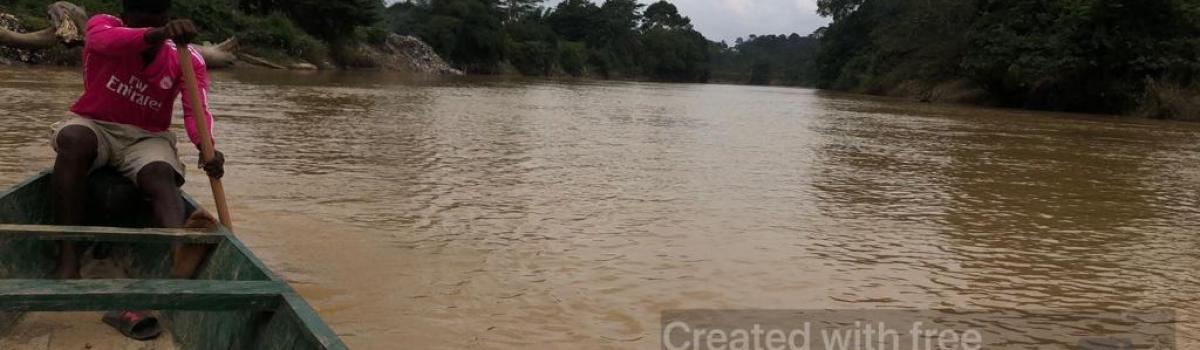
Water is Life

About WRC
The Water Resources Commission (WRC) was established by an Act of Parliament (Act 522 of 1996) with the mandate to regulate and manage Ghana's Water Resources and co-ordinate government policies in relation to them. The Act stipulates that ownership and control of all water resources are vested in the President on behalf of the people, and clearly defines the WRC as the overall body responsible for water resources management in Ghana. The Commission, which provides a forum for integration and collaboration of different interests, is composed of the major stakeholders involved in the water sector.
Recent News & Events
22 Apr 2024
TENDER NOTICE
The Water Resources Commission on behalf of the Volta Basin Authority request interested NGOs or firms to participate in these calls for tenders.
1. Call for tenders for the Mission for the elaborati...
Read More
11 Sep 2023
WRC engages Petroleum Hub Development Cooperation
A team of executives from the Petroleum Hub Development Cooperation (PHDC) interacted with some management members of the Water Resources Commission in Accra yesterday to familiarise themselves with t...
Read More
11 Sep 2023
WRC Board, Management calls on New Minister
A delegation of Water Resources Commission Board and Management members of the Commission recently called on the Hon. Dr. Freda Akosua Oheneafrewo Prempeh, Minister for Sanitation and Water Resource...
Read More
25 May 2023
How Safe is the Water in your Home?
As part of activities to mark this year’s World Water Day celebration on March 22, the National Planning Committee and Partners organized a knowledge sharing session on Webinar on the topic “How s...
Read More
25 May 2023
WORKSHOP FOR PARADES PROJECT HELD
A two-day workshop for the Participatory Assessment of Flood-related Disaster Prevention and Development of an Adapted Coping System in Ghana (PARADeS) project was held on the 19th and 20th of Apr...
Read More
12 May 2023
Stakeholders’ okays WRC-Lower Volta Basin IWRM Plan
The Water Resources Commission’s Integrated Water Resources Management Plan (IWRM) for the Lower Volta Basin received wide approval by Stakeholders at day’s Workshop at Sogakope in the Volta Regio...
Read More
12 May 2023
Take precaution against Floods
With the onset of the rainy season, Ghanaians have been advised to take precaution and stay alert to avert devastating effects of floods in the country.Recounting the losses people suffer during flood...
Read More
12 May 2023
WRC, Partners Celebrate former Executive Secretary
The evening of 2nd November, 2022 was a colourful celebration, filled with memorable moments, as the Water Resources Commission Board Chairman and the Acting Executive Secretary, together with some Di...
Read More
13 Sep 2022
WRC, UESD STRENGTHENS PARTNERSHIP
WRC, UESD STRENGTHENS PARTNERSHIP The Water Resources Commission (WRC) hss engaged a delegation of the University of Environment and Sustainable Development(UESD) on areas of close collaboration to e...
Read More
25 Jul 2022
WRC Acting Executive Secretary Sworn-In
WRC Acting Executive Secretary Sworn-InMadam Dorcas Adwoa Paintsil, was sworn in as the Acting Executive Secretary of the Water Resources Commission (WRC) by the Minister for Sanitation and Water Reso...
Read More